Cyrus Peace Foundation
History
What the Cyrus Cylinder tells us
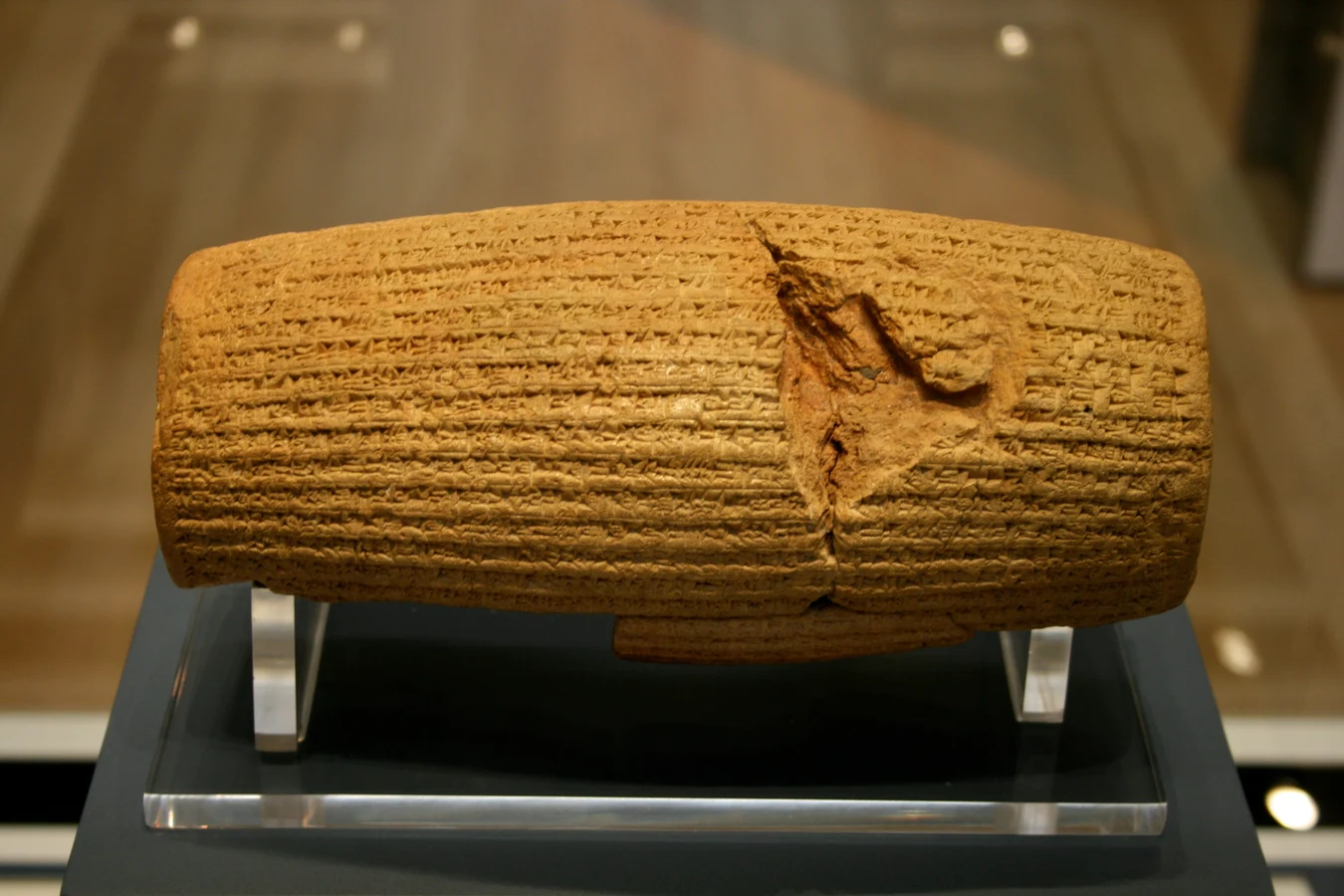
A clay inscription from ancient Babylon tells how Cyrus the Great explained his rise to power and what he said he did after taking the city.
Why Cyrus invoked Babylon’s chief god
Cyrus, the king of Persia, captured Babylon in 539 BCE. The inscription was written in the language used in Babylon and used a story its people would recognize to explain why he should rule. It says Marduk, Babylon’s chief god, chose Cyrus as king.
Who returned home?
The inscription says Cyrus brought people who had been uprooted back to their home communities. It also says he returned sacred statues to their places of worship. For families who had been forced to leave, going home could mean rejoining their communities and worshipping in familiar places.
The return of Jewish exiles to Jerusalem is told separately in the biblical Book of Ezra. The Cylinder itself names neither Jerusalem nor the Jewish exiles. Read how the two accounts connect.
Why the story still matters
The Cylinder gives Cyrus’s own account of his rule. Today, some people see the story of return and restored worship as an early example of ideas they associate with human rights.
Look closely with a child
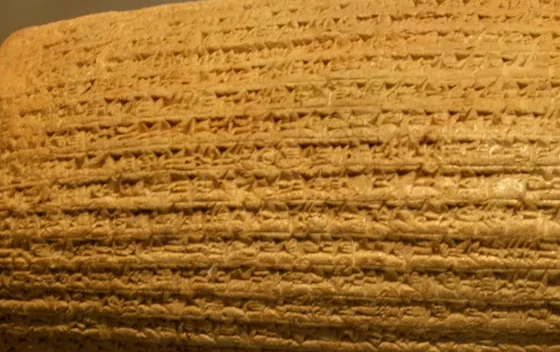
Point to the little marks in the clay. Can you spot one that repeats? Trace its shape in the air, then ask your child to invent a mark for “welcome” and teach it to you.