 Cyrus Peace Foundation
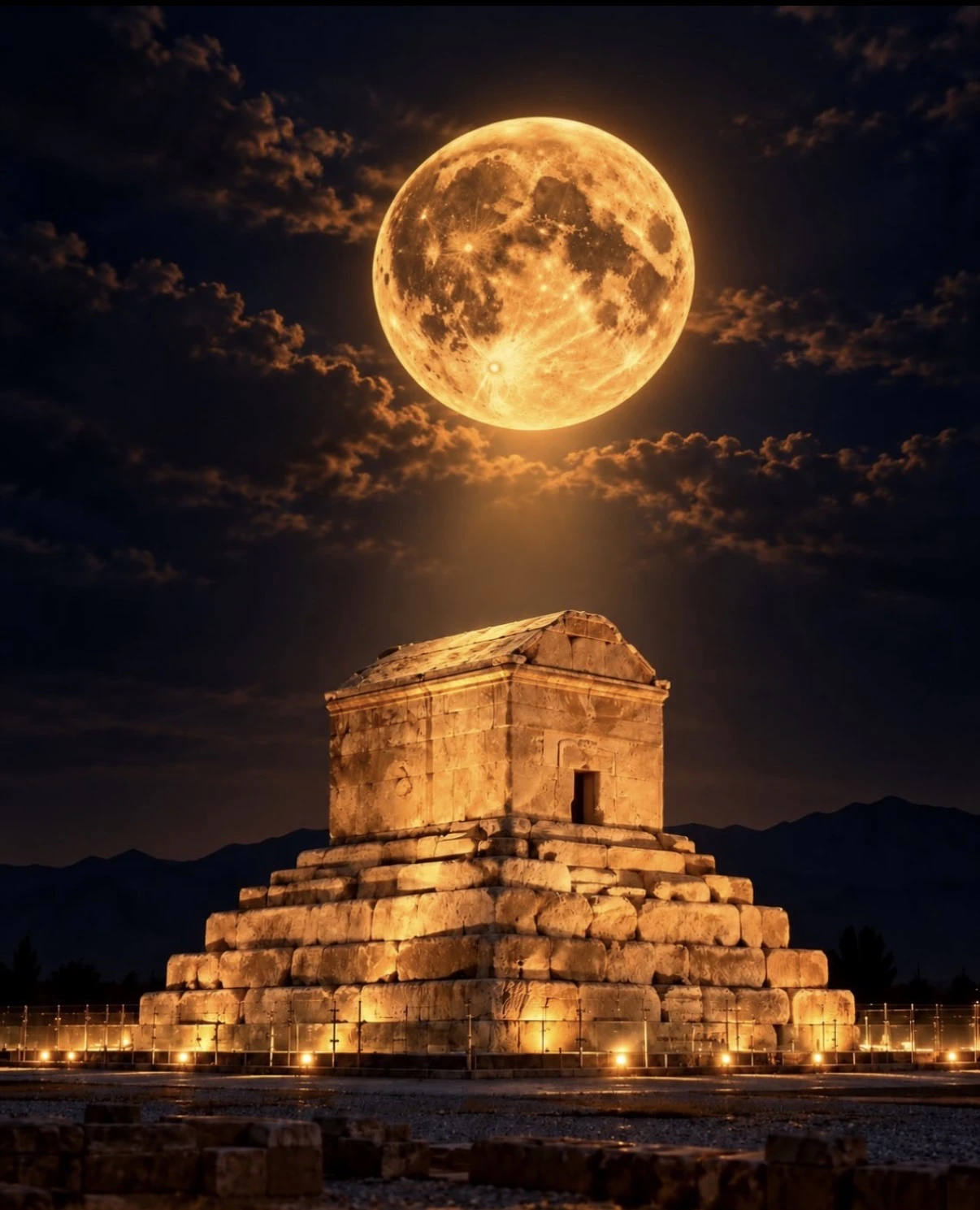
A monument at the first Persian capital
Cyrus founded Pasargadae in the sixth century BCE in the region that is now Fars Province, Iran. The ancient site includes the remains of palaces and gardens, as well as the freestanding stone monument identified as his tomb.
Six stepped tiers support a small burial chamber with a pitched roof. Later Achaemenid rulers such as Darius I were buried in tombs cut into a cliff face at Naqsh-e Rostam. The difference is visible in the architecture. Cyrus’s personal reasons for the design remain uncertain.
Why his legacy still matters
Cyrus brought many peoples and traditions under one empire through conquest. The Cyrus Cylinder describes the return of certain displaced communities and the restoration of sanctuaries after he captured Babylon. The Book of Ezra separately associates Cyrus with the return to Jerusalem and the rebuilding of its temple.
Those accounts inspire the foundation’s work today. Learning how people kept their traditions and rebuilt their communities can help us ask what it takes to live together across differences.
Pasargadae is a UNESCO World Heritage Site. Preserving it helps families, students, and educators learn from a place that has survived across generations.